How to prevent frozen pipes from bursting in Toluca Lake winters
Toluca Lake's winter nights can drop below freezing. Here's how to protect your pipes, prevent costly bursts, and what to do if they freeze.
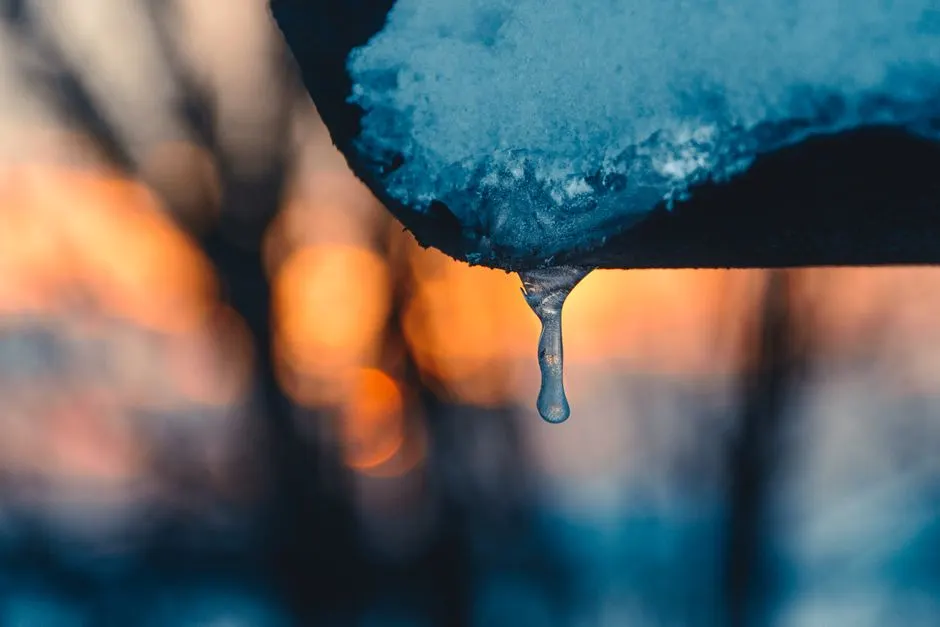
You can prevent frozen pipes from bursting in Toluca Lake by insulating exposed pipes, sealing crawlspace vents, and keeping a slow drip on vulnerable fixtures when overnight temperatures drop below 32°F. The first two sentences of this article give you the short answer; the rest walks you through exactly how to do each step, what temperatures matter, and what to do if a pipe freezes anyway. Toluca Lake sits in a microclimate where winter nights routinely dip into the low 30s, and older homes along the boulevards have plumbing that was never built for even a light freeze.
Why Toluca Lake winters still freeze pipes
Toluca Lake winters still freeze pipes because the neighborhood sits in a cold-air sink at the eastern edge of the San Fernando Valley, where nighttime temperatures from late November through February regularly fall to 30-34°F. That is cold enough to freeze the water sitting in an uninsulated pipe, and once that water turns to ice it expands by about 9 percent - enough to split copper, crack CPVC, and push apart the rubber seals on older galvanized fittings.
Most of the homes we work on in Toluca Lake were built between the 1920s and the 1960s. They have pipes running through unheated crawlspaces, along exterior walls, and up into attics that were never designed with freeze protection in mind. A modern home in a colder state might have pipes buried 36 inches deep; here, many supply lines sit just 12 to 18 inches below grade or run exposed under the floor joists.
The other factor is that our freezes are short. A pipe might only be below 32°F for four or five hours, but that is more than enough time for ice to form and pressure to build. Homeowners often tell us they did not realize it had even frozen until they turned on the tap the next morning and got nothing.
At what temperature do pipes freeze in Toluca Lake?
Pipes in Toluca Lake begin to freeze when the air around them stays at or below 32°F for more than two to three hours. The water inside does not freeze instantly - it has to lose heat through the pipe wall first. An uninsulated copper pipe in a 28°F crawlspace will start forming ice within about 90 minutes.
Wind makes it worse. A 15 mph wind pulling through a vented crawlspace can drop the effective temperature around a pipe by another 5 to 10 degrees. That is why we see more frozen pipes on the north side of a house than the south, and why a pipe that survived a 30°F night with no wind can burst on a 34°F night with a stiff breeze.
Here is the range that matters for Toluca Lake:
- Above 40°F: No freeze risk for exposed pipes.
- 33-39°F: Low risk, but pipes in unheated attics or crawlspaces can still freeze if wind is present.
- 28-32°F: High risk for any uninsulated pipe. This is when you should drip faucets.
- Below 28°F: Severe risk. Even insulated pipes in exterior walls can freeze if the insulation is wet or compressed.
If you want to know the exact temperature at which your pipes are at risk, put a cheap wireless thermometer in the crawlspace or attic. We have seen crawlspace temps run 6 to 8 degrees colder than the outdoor air temperature reported by a phone app.
How to prevent frozen pipes from bursting in Toluca Lake California
Preventing frozen pipes from bursting in Toluca Lake California comes down to three things: keeping heat around the pipe, eliminating drafts, and giving expanding ice somewhere to go. You do not need to re-plumb the house. You need to focus on the 20 to 30 feet of pipe that is actually exposed to cold air.
Start with insulation. Foam pipe sleeves cost about $2 to $4 per six-foot section at any hardware store in Burbank or North Hollywood. Slide them over every pipe you can reach in the crawlspace, garage, and attic. For pipes that are hard to reach, wrap them with fiberglass pipe wrap and secure it with zip ties. Do not leave gaps at elbows or valves - those are the spots that freeze first.
Next, seal the openings. A 1/4-inch gap around a pipe penetration lets in a surprising amount of cold air. Use expanding foam or caulk to close every hole where a pipe enters an exterior wall. If you have a crawlspace with foundation vents, close them in November and reopen them in March. Just make sure you are not sealing off a combustion air source for a furnace or water heater - if you are not sure, call a licensed HVAC tech.
Then handle the fixtures. On nights when the forecast is 32°F or lower, let a pencil-thin stream of water run from the faucet that is farthest from your water heater. Moving water takes much longer to freeze than still water. Open the cabinet doors under kitchen and bathroom sinks so warm indoor air can reach the pipes. If you have a hose bib, shut off the interior valve, open the exterior spigot to drain it, and put an insulated cover over it.
If you are going out of town, do not set the thermostat below 55°F. That is warm enough to keep the interior of the house above freezing even if the power flickers. For a whole-house approach, our team at Water Damage Restoration can inspect your crawlspace and attic for vulnerable lines before the first hard freeze.
Winterizing pipes to prevent freezing in Toluca Lake California
Winterizing pipes to prevent freezing in Toluca Lake California is a weekend project that pays for itself the first time you avoid a burst. The goal is to create a barrier between the pipe and the cold air, and to remove any water that could sit and expand.
Here is the checklist we run through for our own clients:
- Drain exterior lines. Close the shut-off valve for hose bibs, then open the outdoor spigot and let it drain. Leave it open through winter.
- Insulate the attic. Any supply line running through an unconditioned attic needs at least 1/2-inch foam insulation. If the attic gets below 40°F, add a second layer.
- Protect the water heater. If your water heater is in the garage, wrap it with an insulation blanket and insulate the first six feet of both the hot and cold lines.
- Check the irrigation system. Blow out the sprinkler lines with compressed air before the first freeze. A cracked irrigation valve can send water into the yard all winter.
- Insulate the crawlspace hatch. A piece of rigid foam board cut to fit the opening keeps cold air from pouring in.
If you have had a pipe freeze before, mark that spot. It will freeze again. Add extra insulation and consider a thermostatically controlled heat cable that turns on at 38°F and off at 45°F. Those cables cost $30 to $60 for a 12-foot section and use about as much electricity as a light bulb.
For homes in the older sections of the neighborhood, especially around Water Damage Restoration in Toluca Lake Village, we often find original 1940s galvanized pipes that have already been stressed by decades of expansion and contraction. Those lines are the most likely to split when they freeze.
What to do if pipes freeze in Toluca Lake
If your pipes freeze in Toluca Lake, the first thing to do is shut off the main water valve and open the nearest faucet. That gives the melting ice a place to expand without pressurizing the line. Then warm the pipe gradually with a hair dryer, heat lamp, or wrapped towels soaked in hot water.
Do not use a propane torch or any open flame. You can crack the pipe or start a fire inside the wall. Do not pour boiling water directly on a frozen pipe either - the sudden temperature change can shatter copper.
Start warming at the end closest to the faucet and work your way back toward the frozen section. It can take 30 to 45 minutes to thaw a 10-foot run of pipe. As soon as water starts flowing, leave the faucet open for a few minutes to flush out any debris.
Once the pipe is thawed, watch for leaks. A pipe that froze may have already cracked, and you will not know until the ice melts and water starts spraying. If you see moisture, shut the main valve immediately and call a professional. Our emergency water removal in Toluca Lake, California team can extract standing water and dry the structure before mold sets in.
Common mistakes that lead to burst pipes
The most common mistake we see is waiting until the night of the freeze to act. Insulation and sealing take an afternoon. If you are scrambling at 10 p.m. when the temperature hits 30°F, you are already behind.
Other mistakes:
- Leaving the hose connected. A garden hose full of water is a frozen pipe waiting to happen. Disconnect it in November.
- Closing cabinet doors. If you have pipes under a sink on an exterior wall, keep the doors open during cold snaps. The cabinet traps cold air.
- Setting the thermostat too low. Going below 55°F to save a few dollars on the gas bill can cost you thousands in water damage.
- Ignoring a slow drain. A partially blocked drain can freeze faster because the water sits longer. If your sink drains slowly, clear it before winter.
- Assuming the attic is warm enough. Attics are almost always colder than the living space. If you have not checked the temperature up there, you do not know.
We also see homeowners try to thaw a pipe with a space heater placed directly against the wall. That is a fire hazard. Keep any heat source at least 12 inches away from combustible materials.
When to call a professional
Call a professional when you cannot find the frozen section, when you see water leaking after a thaw, or when the frozen pipe is inside a wall or slab. Those are not DIY situations. A slab leak can undermine your foundation, and a wall leak can soak insulation and drywall for weeks before you notice.
Our team at Water Damage Restoration Toluca Lake handles frozen pipe bursts and the water damage that follows. We use thermal imaging to find the leak without tearing out more wall than necessary, and we dry the structure with commercial dehumidifiers and air movers. If the pipe is cracked, we repair it. If the drywall is wet, we remove and replace it. We also treat for mold if the moisture has been sitting for more than 48 hours.
If you are dealing with a leak that has been slow for a while, you may also need water leak restoration in Toluca Lake, California to address hidden moisture in the subfloor or framing. We can test with a moisture meter and tell you exactly what is wet and what is not.
Frequently Asked Questions
How do I prevent frozen pipes from bursting in Toluca Lake California?
Insulate all exposed pipes in crawlspaces, attics, and garages with foam sleeves. Seal gaps around pipe penetrations. On nights below 32°F, let a slow drip run from the farthest faucet and open cabinet doors. If you leave town, keep the thermostat at 55°F or higher.
What temperature do pipes freeze in Toluca Lake?
Pipes begin to freeze when the surrounding air stays at or below 32°F for two to three hours. In Toluca Lake, crawlspaces and attics can run 6-8°F colder than outdoor air, so a 34°F night with wind can still freeze an uninsulated pipe.
What should I do if my pipes freeze in Toluca Lake?
Shut off the main water valve and open the nearest faucet. Thaw the pipe gradually with a hair dryer or warm towels, starting at the faucet end. Never use an open flame. If you see a leak after thawing, shut the valve and call a restoration pro.
Who do I call for burst pipe water damage in Toluca Lake California?
Call Water Damage Restoration Toluca Lake at (833) 321-7153. We handle emergency water extraction, structural drying, and pipe repair. We can be on-site within 60 minutes for burst pipe emergencies in Toluca Lake and the surrounding areas.
How much does burst pipe repair cost in Toluca Lake?
Typical 2026 pricing for burst pipe repair in Toluca Lake ranges from $500 to $1,200 for the pipe itself, plus $1,500 to $4,000 for water damage restoration depending on how much area got wet. Emergency calls after hours may add a dispatch fee.
Get help with Water Damage Restoration in Toluca Lake
If a pipe has already burst or you are not sure whether your pipes are protected, call us. We serve Toluca Lake and the surrounding neighborhoods, and we can inspect your crawlspace and attic for freeze risks before the next cold snap.
Call (833) 321-7153 for emergency burst pipe repair and water damage restoration in Toluca Lake. We are available 24/7.