Standing water under hardwood and tile
We extract with truck-mounted units, then use a moisture meter and thermal imaging camera to find water trapped under flooring. We dry the subfloor in place where possible and remove only what cannot be saved.
When a kitchen fire gets knocked down, the water left behind is the second emergency. Our water damage remediation after fire in Toluca Lake, California starts with same-day extraction and ends with a dry, certified structure. We handle fire sprinkler water damage cleanup Toluca Lake and full fire water damage restoration Toluca Lake for homeowners, landlords, and property managers across the 91602 area. Call (833) 321-7153.
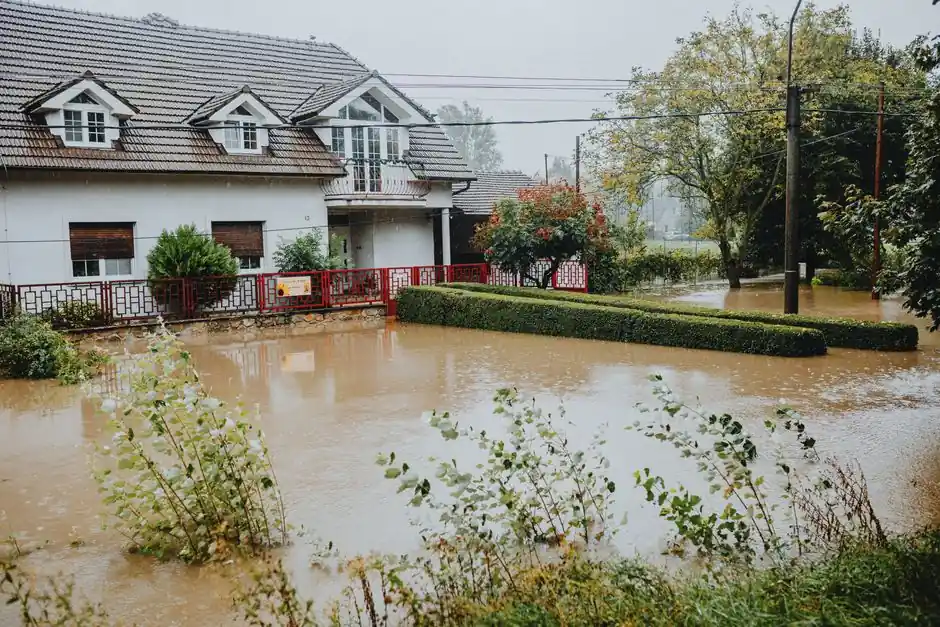
Water damage remediation after fire in Toluca Lake, California is the process of extracting suppression water, drying structural cavities, and neutralizing smoke and soot residue before mold or rot takes hold. Firefighting leaves 300 to 2,000 gallons in a typical 1,500 sq ft home, and that water sits in drywall, insulation, and subfloor. We pull it out with truck-mounted water extraction units, then dry the framing with air movers and dehumidifiers until moisture readings match a dry standard.
Most Toluca Lake calls we run are fire sprinkler discharges in 1920s bungalows near Toluca Lake Village or kitchen fires on Riverside Drive where a hose line soaked the ceiling and cabinets. Water travels fast through old plaster and lath, and by hour 48 you are looking at mold growth after water damage. That is why we treat every post-fire job as a clock. If you searched water damage remediation after fire near me Toluca Lake California at 2 a.m., we answer and roll.
Every post-fire water job starts with a full inspection and a written scope. Below is what is included in a standard Toluca Lake remediation. If your loss needs more, we tell you before we start, not after.
Truck-mounted water extraction units pull standing water from carpet, hardwood, and slab. We remove saturated insulation and unsalvageable drywall. In a typical Toluca Lake bungalow, this phase runs 2 to 4 hours and removes 400 to 900 gallons.
We place Dri-Eaz air movers and Phoenix Restoration Equipment dehumidifiers to dry framing, subfloor, and wall cavities. Polyethylene sheeting creates drying chambers where needed. Equipment runs 3 to 5 days, monitored daily with a moisture meter.
Once the structure hits dry standard, we apply antimicrobial solution to framing and any remaining porous material. This stops mold growth after water damage before it starts. We document the application for your insurance file.
Fire leaves smoke residue in the same cavities the water soaked. We HEPA vacuum affected surfaces and run an ozone generator and air scrubber filters to neutralize odor. Most Toluca Lake jobs pass odor verification within 72 hours.
A technician checks moisture meter and hygrometer readings every day and logs them in Xactimate-compatible format. You get a completion report at the end showing dry standard was met. That report is what your adjuster needs to close the claim.
You call (833) 321-7153 and describe the fire, the room, and how much water you see. We dispatch a crew with extraction gear and moisture meters, usually arriving within 60 to 90 minutes anywhere in Toluca Lake. If the fire department is still on scene, we stage and coordinate with the incident commander.
We walk the structure with a thermal imaging camera and moisture meter, then map every wet zone on a floor plan. A hygrometer and infrared thermometer confirm ambient conditions. This takes 30 to 45 minutes and tells us exactly where the water went, not just where it pooled.
Truck-mounted water extraction units pull standing water from carpet, hardwood, and slab. We remove saturated insulation and any drywall that cannot be dried in place. A Shop-Vac handles the tight corners a hose cannot reach. Expect this phase to run 2 to 4 hours on a typical Toluca Lake bungalow.
We set Dri-Eaz air movers and Phoenix Restoration Equipment dehumidifiers to dry framing, subfloor, and wall cavities. Polyethylene sheeting creates drying chambers where needed. We check readings daily with a moisture meter and adjust equipment until the structure hits dry standard, usually 3 to 5 days.
Once dry, we apply antimicrobial solution to framing and any remaining porous material. A final walkthrough with the moisture meter and thermal imaging camera confirms dry standard, and we hand you a completion report for your insurance file. If rebuild is needed, we coordinate the handoff.
Purpose-built equipment, used by trained technicians — so the job is done accurately the first time.
Pulls standing water from carpet, hardwood, and slab at high volume. In a typical Toluca Lake post-fire job, this removes 400 to 900 gallons in 2 to 4 hours.
Measures moisture content in framing, drywall, and subfloor, and tracks ambient humidity. We log readings daily to confirm the structure is drying to standard.
Reveals temperature differences that indicate hidden moisture behind walls and under floors. It finds water a visual inspection would miss.
Lets us see inside wall cavities and crawl spaces without full demolition. We use it to confirm moisture is gone before closing up.
Create the airflow and humidity control needed to dry structural cavities. We size the equipment to the job, not to a flat rate.
Neutralizes smoke and soot odor and captures fine particles. Essential for making a post-fire home smell clean again.
Continuously filter airborne particles during drying and remediation. Protects indoor air quality while equipment runs.
A stove fire brought a hose line through the ceiling of a 1,400 sq ft bungalow. Standing water covered the kitchen floor, cabinets were saturated, and moisture had wicked into the ceiling joists. The homeowner called at 6 a.m. and we were on site by 7:30.
We extracted 550 gallons, removed saturated drywall and insulation, and dried the framing with Dri-Eaz air movers and a Phoenix dehumidifier. Moisture readings hit dry standard in 4 days. The insurance claim was approved in full and rebuild started the following week.
A fire sprinkler head failed in a second-floor condo while the owner was away for a week. Water ran through the ceiling into the unit below. By the time we arrived, drywall was sagging and mold had started on the ceiling of the lower unit.
We contained the mold with polyethylene sheeting, HEPA vacuumed affected surfaces, and applied antimicrobial solution. Extraction removed 300 gallons, and drying brought both units to standard in 5 days. The HOA received a clean Xactimate report and no further mold remediation was needed.
A garage fire sent 800 gallons of suppression water under the slab and into a crawl space. The homeowner noticed a musty smell two days later. A boroscope inspection camera revealed moisture in the crawl space framing and early mold growth on joists.
We extracted standing water, dried the crawl space with dehumidifiers and polyethylene sheeting, and applied antimicrobial solution to the joists. Crawl space humidity dropped from 85% to 52% in five days. No further mold remediation was required.
Fire suppression water does not stay where it lands. These are the problems we see most often in Toluca Lake, and how we stop them from turning into a bigger loss.
Ask a pro →We extract with truck-mounted units, then use a moisture meter and thermal imaging camera to find water trapped under flooring. We dry the subfloor in place where possible and remove only what cannot be saved.
We open the ceiling, dry the joists with air movers, and treat with antimicrobial solution. A boroscope inspection camera confirms the cavity is dry before we close it up.
We apply antimicrobial solution to affected framing and use HEPA vacuuming and air scrubber filters to contain spores. If colonization is already present, we scope mold remediation after water damage as a separate phase.
We inspect with a boroscope inspection camera, extract standing water, and set dehumidifiers with polyethylene sheeting to dry the space. Crawl space mold removal is added only if testing confirms growth.
Most post-fire water jobs in Toluca Lake run $2,200 to $6,800 in 2026, depending on how much water the fire department used and how far it traveled. A single-room sprinkler discharge is on the low end. A whole-house hose line soak with cabinet and drywall removal is on the high end. We give you a written scope before we start, and we bill insurance directly when coverage applies.
Yes, in most cases. Fire suppression water is treated as part of the fire loss on a standard California homeowners policy, so extraction, drying, and antimicrobial treatment are covered. We document everything in Xactimate format, photograph affected rooms, and log daily moisture readings so your adjuster can process the claim without back-and-forth. We work with all major carriers.
We extract standing water with truck-mounted units, remove saturated insulation and unsalvageable drywall, then dry the framing with air movers and dehumidifiers. A moisture meter and thermal imaging camera guide the process daily. Once the structure hits dry standard, we apply antimicrobial solution and hand you a completion report. Typical dry time is 3 to 5 days.
Call (833) 321-7153. We answer 24/7 and dispatch a crew with extraction gear and moisture meters, usually on site within 60 to 90 minutes in Toluca Lake. If you are searching emergency fire water damage restoration Toluca Lake at 2 a.m., you will get a live person, not a voicemail. We will tell you what to do while we are en route.
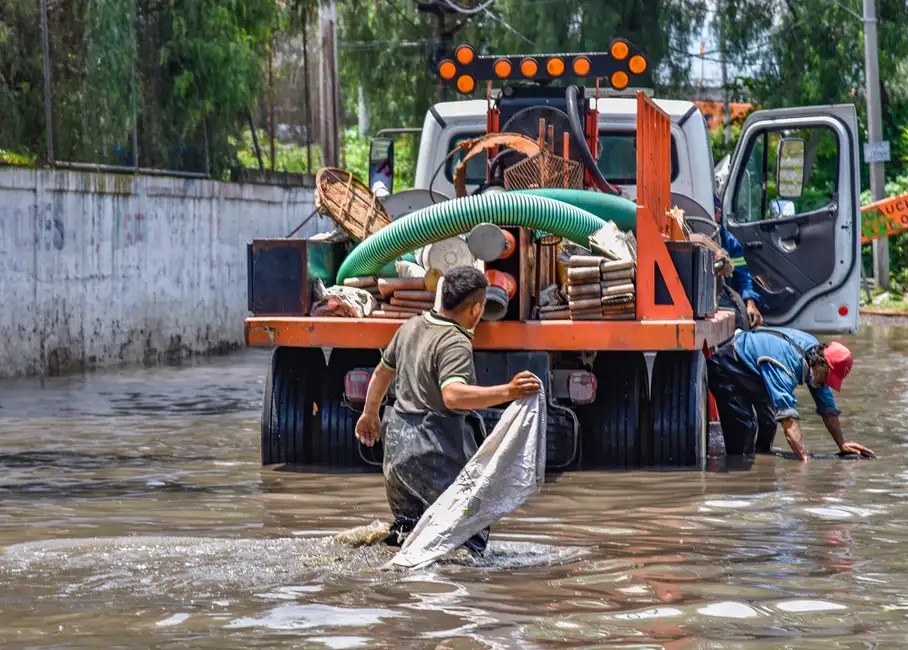 flood restoration servicesWhen a fire is followed by a storm or a burst pipe, flood restoration services handle the larger water volume. We coordinate extraction, drying, and rebuild so your Toluca Lake property is not sitting wet while you wait on two separate contractors.Explore →
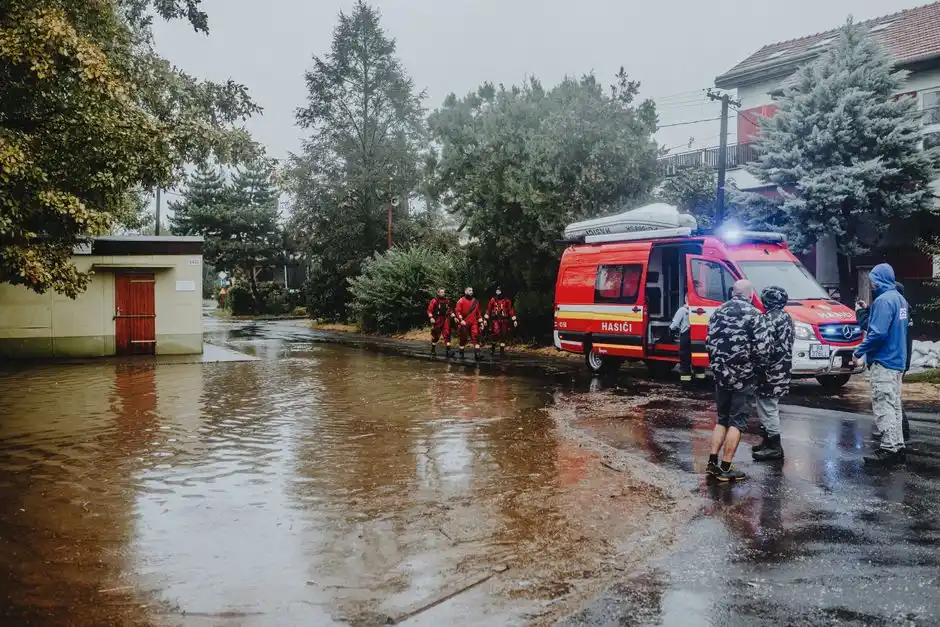 emergency water removalEmergency water removal is the first phase of any post-fire water job. We pull standing water with truck-mounted units before it reaches your subfloor. In Toluca Lake, that usually means 400 to 900 gallons out within the first few hours.Explore →
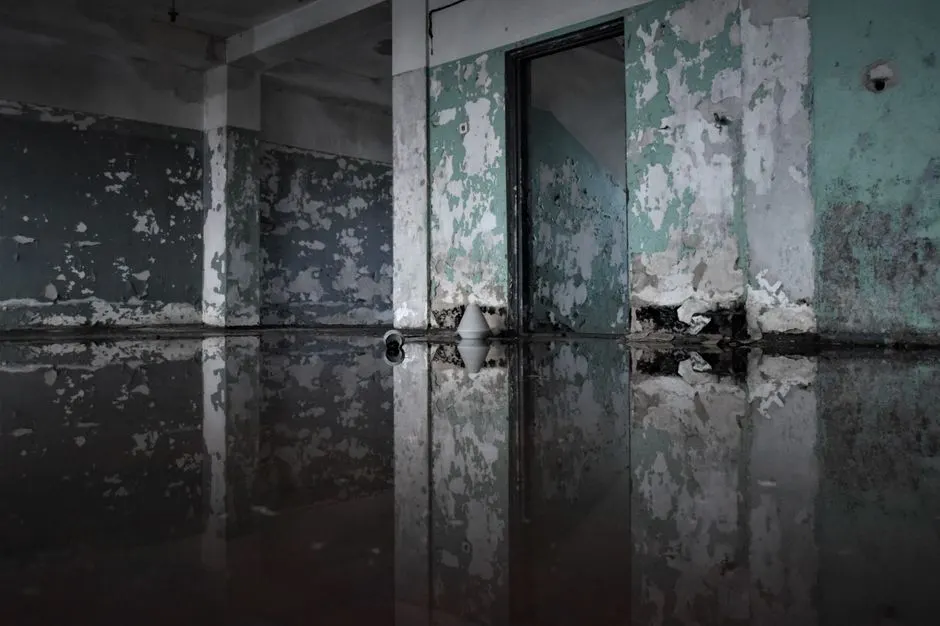 mold remediation after water damageIf post-fire water sat longer than 48 hours, mold remediation after water damage may be needed. We test with a boroscope inspection camera, contain the affected area, and remove colonized material. Catching it early keeps the job small.Explore →
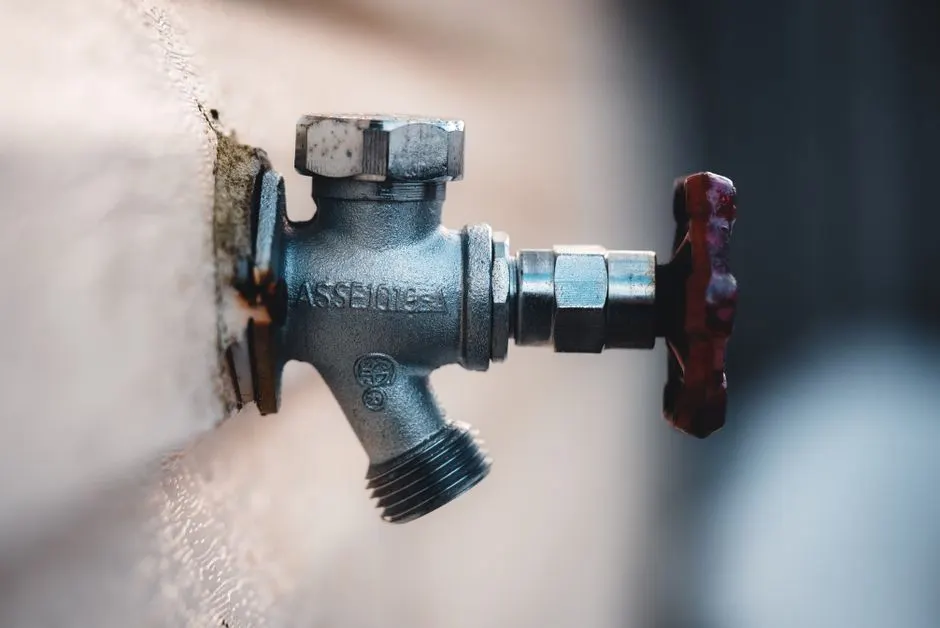 water leak restorationFire damage often exposes pre-existing leaks, like a slab leak or a failing supply line. Water leak restoration finds the source, repairs it, and dries the surrounding structure so you are not fixing the same wall twice.Explore →
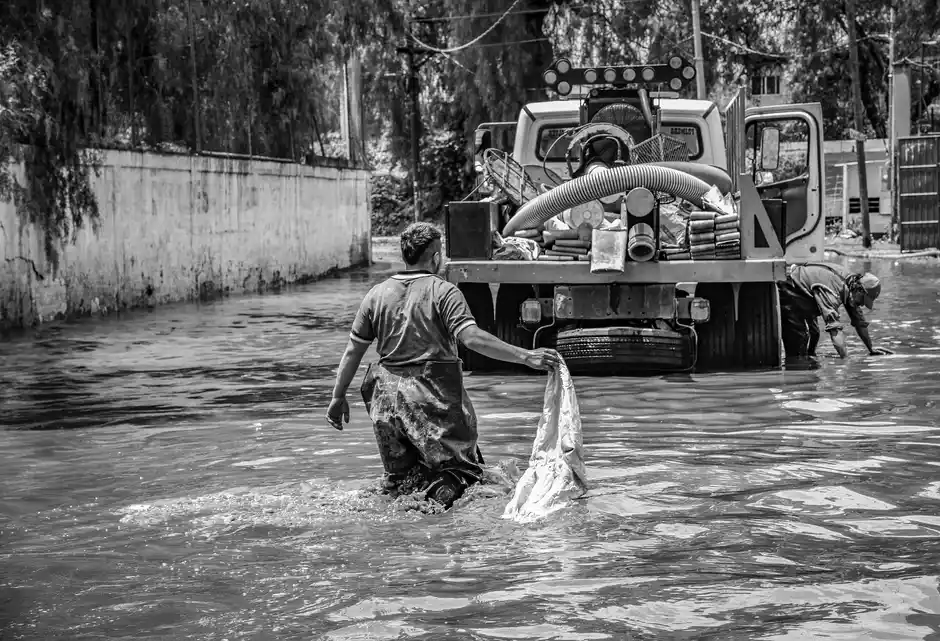 emergency water cleanupEmergency water cleanup covers the immediate response: extraction, debris removal, and initial drying setup. For Toluca Lake post-fire jobs, we typically have equipment running within two hours of arrival.Explore →
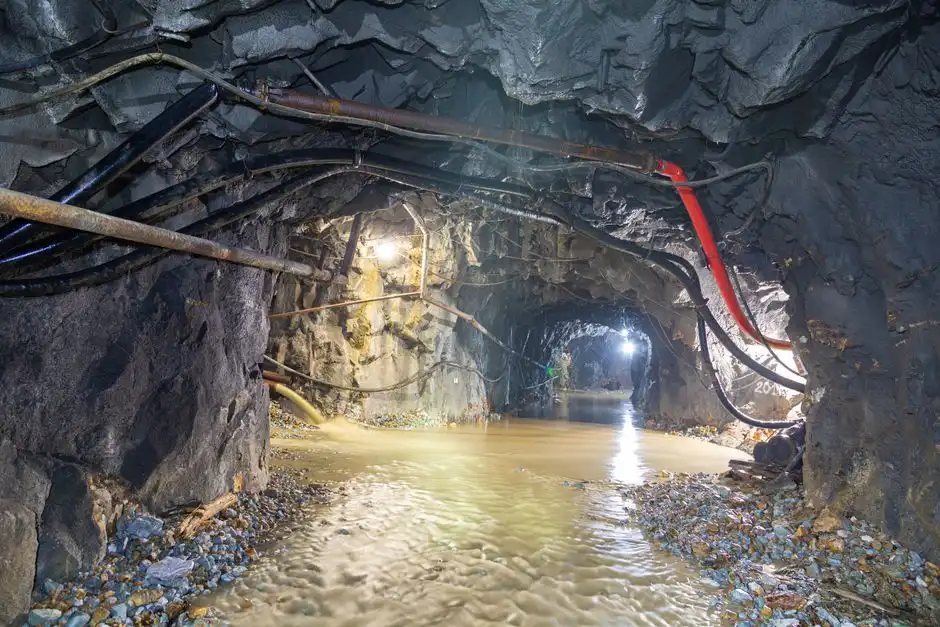 water extractionWater extraction is the mechanical removal of standing water using truck-mounted units and portable extractors. It is the single most important step in preventing mold after a fire. We extract before we set a single air mover.Explore →
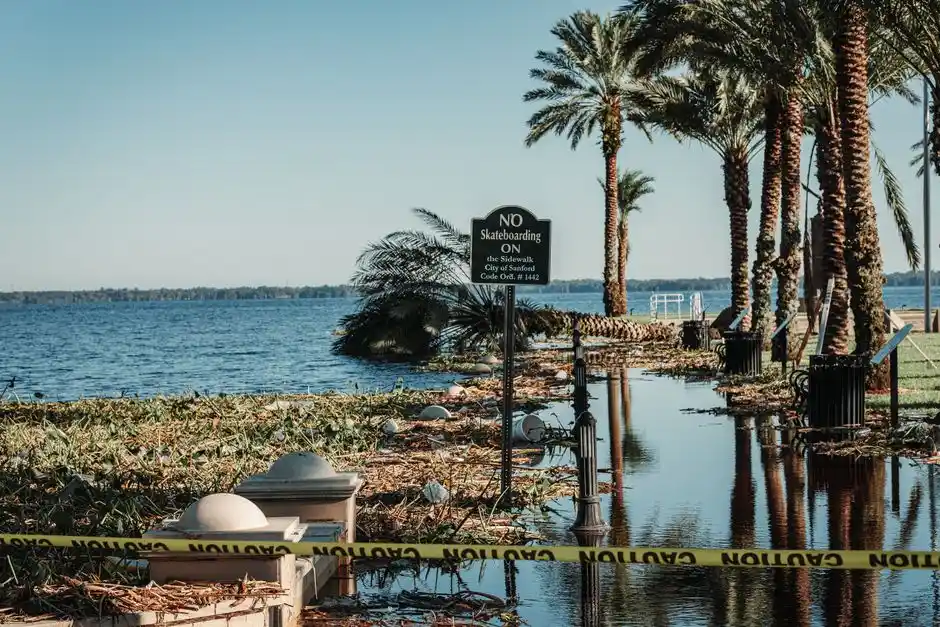 water damage mitigationWater damage mitigation stops the damage from getting worse. That means extraction, containment, and drying setup. For Toluca Lake fire losses, mitigation starts the moment we arrive and protects your structure until full remediation is complete.Explore →
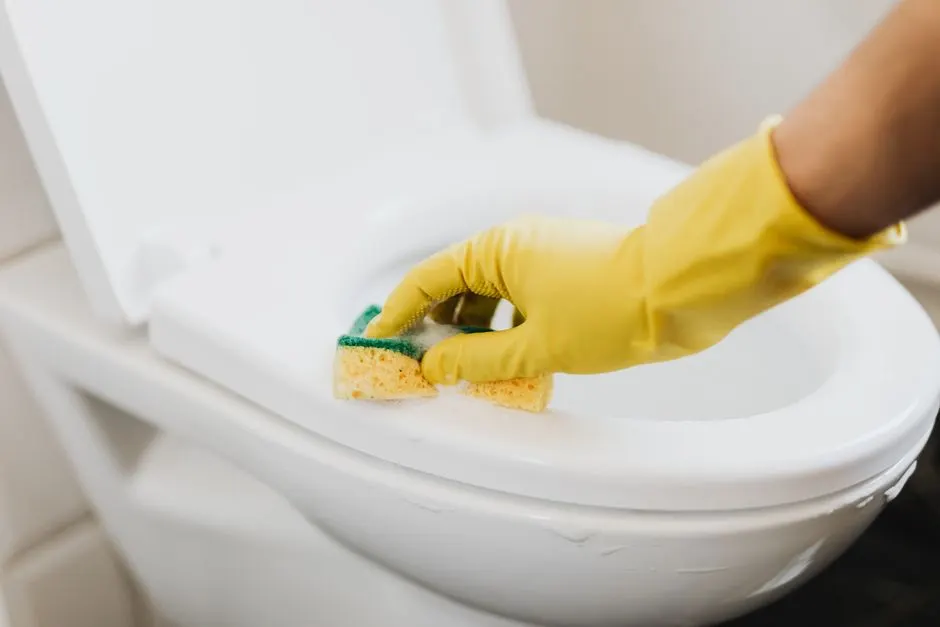 toilet overflow cleanupA toilet overflow during or after a fire adds contaminated water to the loss. We handle toilet overflow cleanup with antimicrobial treatment and category-3 protocols so your Toluca Lake home is safe to occupy.Explore →
Water is still moving through your walls. Every hour you wait, the drying job gets bigger and the mold risk goes up. Call (833) 321-7153 and we will dispatch a crew with extraction gear and moisture meters, usually on site within 60 to 90 minutes. Licensed, insured, and IICRC certified.
Call Now (833) 321-7153 →Our phone line is open 24/7, including holidays. Call (833) 321-7153 and describe what happened. We ask about the water source and the rooms affected, then dispatch a crew with extraction and drying equipment. Most Toluca Lake addresses see us within 60 minutes.